Coding Benchmark Snapshot
Terminal-Bench 2.0 · SWE-Bench Verified · SWE-Bench Pro (Public)
| Model | Terminal-Bench 2.0 | SWE-Bench Verified | SWE-Bench Pro (Public) |
|---|---|---|---|
| Gemini 3.1 Pro (High) | 68.5% | 80.6% | 54.2% |
| Gemini 3 Pro (High) | 56.9% | 76.2% | 43.3% |
| Sonnet 4.6 (Max) | 59.1% | 79.6% | – |
| Opus 4.6 (Max) | 65.4% | 80.8% | – |
| GPT-5.2 | 54.0% | 80.0% | 55.6% |
| GPT-5.2 (xhigh) | 62.2% | – | – |
| GPT-5.3-Codex | 64.7% | – | – |
| GPT-5.3-Codex (xhigh) | 77.3% | – | 56.8% |
Source: https://blog.google/innovation-and-ai/models-and-research/gemini-models/gemini-3-1-pro
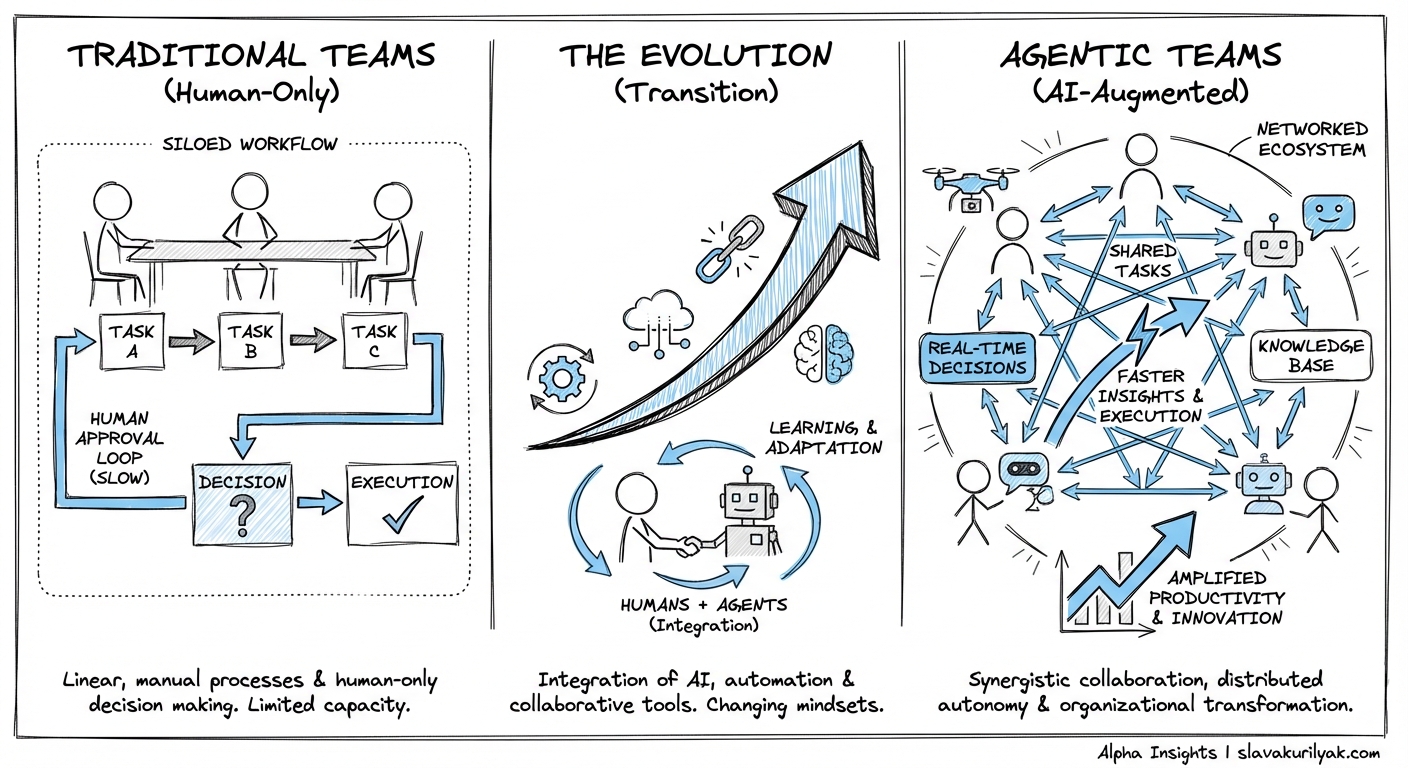
We are now living in the agentic age of organizational growth
AI agents, or just agents, are helping
Last year, Microsoft published the Work Trend Index Annual Report in which they defined ‘hybrid’ teams of humans + agents
I read that paper but did not think much of it untill I started to reflect on the progress of multi-agent systems like claude code and OpenClaw
Here is the latest attempt by Anthropic as of Feb 5th
Claude Code now supports agent teams (in research preview)
— Lydia Hallie ✨ (@lydiahallie) February 5, 2026
Instead of a single agent working through a task sequentially, a lead agent can delegate to multiple teammates that work in parallel to research, debug, and build while coordinating with each other.
Try it out today by… pic.twitter.com/vi7lUJDOTi
According to Anthropic’s agent teams docs:
Coordinate multiple Claude Code instances working together as a team, with shared tasks, inter-agent messaging, and centralized management.
So what happend? We went from using one AI agent at a time to using multi-agent systems
This is possible thanks to agentic orchestration
Agents coordinating other agents?
This is one of the unlocks of OpenClaw
OpenClaw unlocks a unique improvement over traditional agent runtimes by adding a gateway.
In OpenClaw, heartbeats are Markdown files and cron jobs are JSON files.
Git worktrees are used by OpenAI Codex in the Codex macOS app, but the idea of cron-like inspired automation is similar to what I covered in agentic automation.
Note, OpenClaw by itself sets up one AI agent to run for you
We need a better agentic harness or orchestrator like antfarm by Ryan Carson
If you’re using @openclaw this will be a big unlock.
— Ryan Carson (@ryancarson) February 9, 2026
Antfarm is a batteries-included agent team that operates reliably and deterministically.
Works with OpenClaw using just crons, YAML and SQLite.
It auto-runs Ralph loops after creating atomic user stories.
I open sourced it… https://t.co/g6a1N0jwel
When you spin up your first antfarm, you get 6 agents
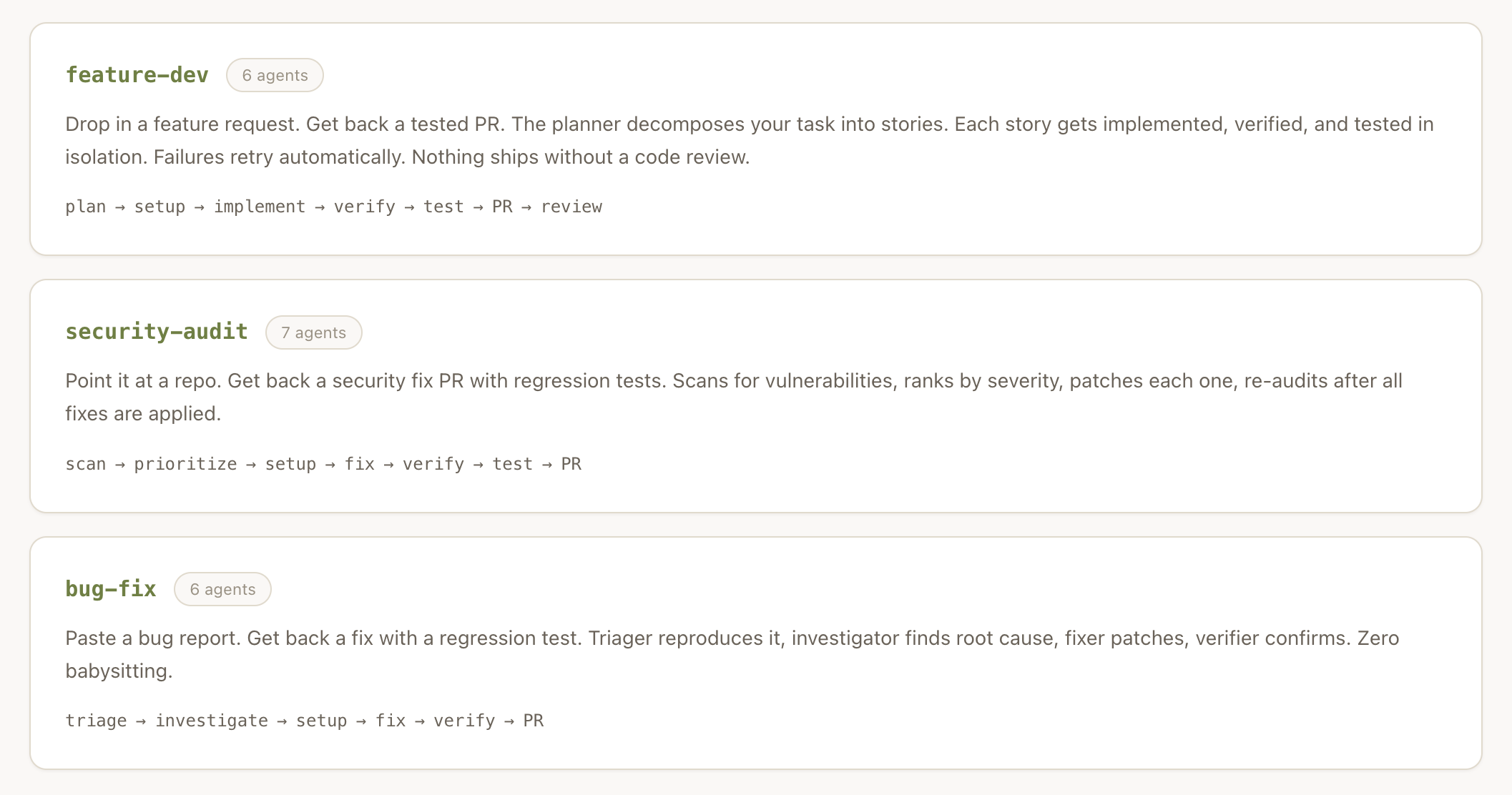
Now we are gettting clower to a team!
Let’s discuss the architecture of this new agentic team inspired by antfarm
antfarm combines crons (cron jobs), with YAML and SQLite.
The code execution step as part of each workflow is built around a concept known as the ‘Ralph Wiggum Loop,’ after the simpleton character from ‘The Simpsons’
‘Ralph’ functions as an autonomous coding loop and shares the same workflow as a human developer
That means Ralph consults a list of tasks to be completed, implements them, runs tests, commits the code, marks the task as completed, logs what it learned from the process, and then selects the next task from the list.
Ralph picks one story then executes it
How does it work?
A human says ‘OpenClaw Team, I want to build this new feature.’ Then a specialized agent ‘interviews’ the human about specifics the AI team needs to know. Then, a different agent turns those instructions into a prioritized list of tasks. Different agents complete the actual coding, while additional category experts check and verify their work.
Spec’ing is done via spec-driven development (SDD)
Maybe we should treat agentic teams as humans + RPG (role playing game) agents


According to https://www.antfarm.cool
Built on the Ralph loop
Each agent runs in a fresh session with clean context. Memory persists through git history and progress files — the same autonomous loop pattern from Ralph, scaled to multi-agent workflows.
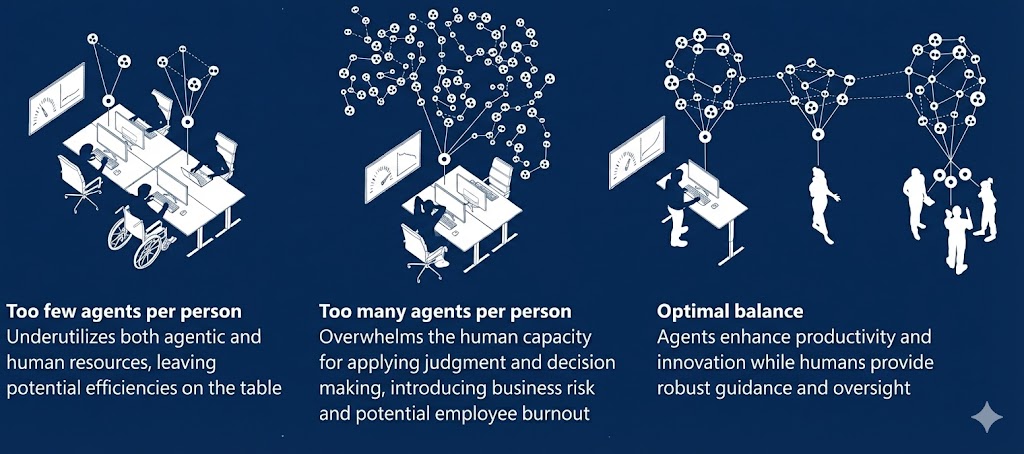
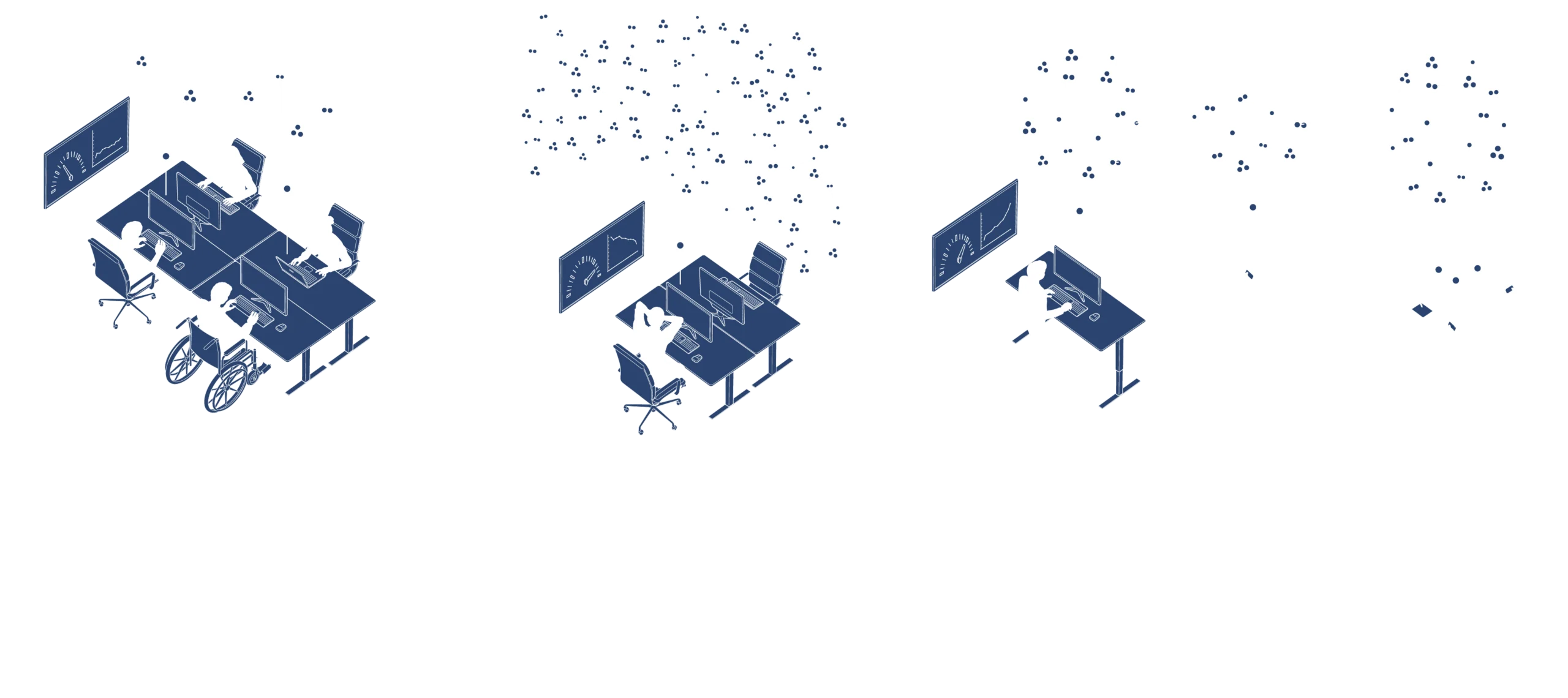
Microsoft team recognized that it is possible to get overwhelmed by too many AI agents
High-Level Architecture
Agent Lifecycle (Ralph Loop Model)
Here is how antfarm works
Multi-Agent Story Isolation (feature-dev example)
Custom Workflow Definition (YAML → Runtime)
End-to-End Example Run
Why Antfarm Works
Instead of:
‘One big AI agent doing everything’
It becomes:
‘A deterministic assembly line of specialized agents’
Let’s evaluate how Anthropic’s agent teams work
One way to understand it is by contrasting against subagents
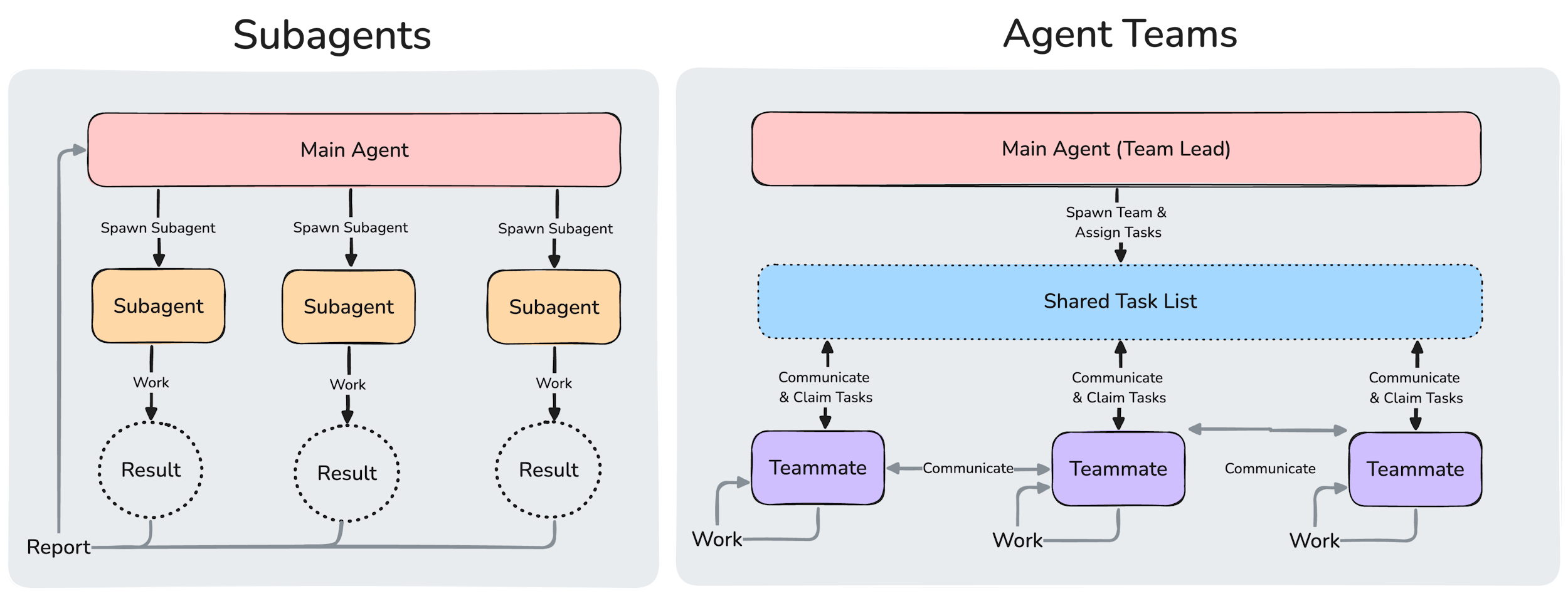
Claude Agent Teams, Taught Incrementally
Step 1: One agent, one thread
Start simple: one agent handles everything in sequence.
Step 2: Add a lead and specialists
The lead delegates. Teammates run in parallel.
Step 3: Share tasks and messages
Agent teams add a shared task list and direct teammate messaging.
Step 4: Run the claim-and-complete loop
Each teammate claims unblocked work, executes, and updates status.
Step 5: Add quality gates and cleanup
Hooks enforce standards before tasks close; lead shuts down the team.
This is the shift: from one big agent to a coordinated team with explicit roles, shared state, and controlled handoffs.
Step 6: Gate the feature explicitly
Agent teams stay opt-in behind an environment flag.
Step 7: Use local team state files
Coordination is driven by local frontmatter state, not hidden magic.
Step 8: Notify the lead through tmux
Idle teammates can report back through a coordinator session.
Step 9: Launch swarm from interactive command
The command gathers constraints first, then writes shared tasks.
This is the practical model: explicit flag, explicit files, explicit hooks, explicit task generation.